Floral motifs have been part of interior design for centuries. Yet today, they feel more contemporary than ever. The difference lies not in the motif itself, but in its scale, texture and interpretation. Modern floral wall design can be understated—or bold. It can create atmosphere or redefine an entire space. The key lies in how it is used.
Lightness Through Delicate Motifs
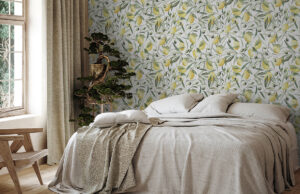
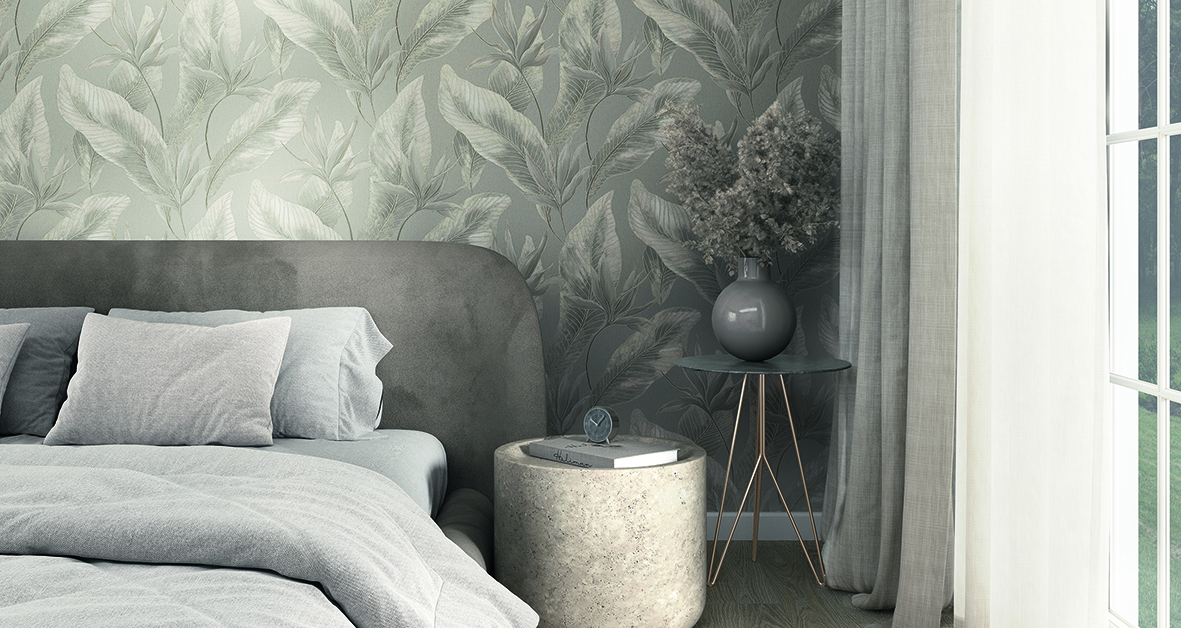
Fine botanical patterns and softly blended colours introduce movement to a surface without overwhelming it. They appear almost hand-painted, creating depth through subtle nuances rather than strong contrasts.
These designs are particularly suited to interiors that seek to convey brightness and tranquillity. They never take anything away from a room—they simply make it feel softer. Their details reveal themselves gradually, rewarding a closer look. That is precisely what makes them so appealing.
Floral design does not have to be romantic. It can be subtle—and for that very reason, remarkably contemporary.
Texture Creates Presence
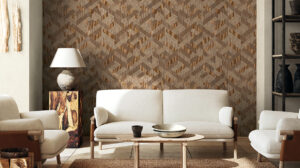
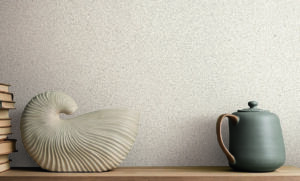
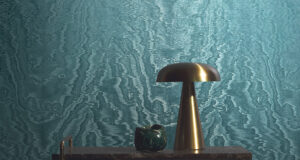
As floral motifs become more defined, texture and light take on a greater role. Embossed lines, textile-inspired surfaces and delicate shimmering accents dramatically change the character of a wall.
Suddenly, the surface gains presence. It is no longer perceived as merely decorative but as something tangible and architectural. Light moves across the wall, revealing textures that change throughout the day. The floral character remains, but it is expressed with greater confidence.
These designs are ideal for interiors that already possess clarity yet benefit from a carefully considered focal point.
Monumental Florals as Architectural Elements
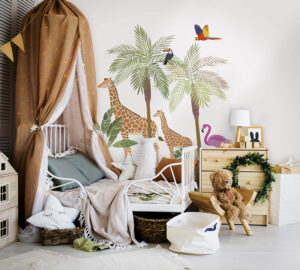
The greatest transformation comes through scale. Oversized floral motifs move beyond the traditional repeating pattern and become works of wall art in their own right.
They organise a space, guide the eye and define architectural zones—for example behind a freestanding bathtub or as a striking feature wall within a living area. Here, the wall no longer serves merely as a backdrop; it becomes part of the architecture itself.
A monumental floral design does not necessarily have to feel opulent. In restrained colour palettes, it can convey calm while maintaining remarkable architectural presence. The flower becomes an element that reshapes space and perspective.
Rethinking Nature
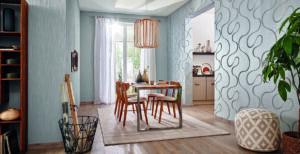
Contemporary floral collections such as BLOOM demonstrate just how many ways nature can be interpreted—from delicate tonal transitions and textured leaf designs to expressive large-scale florals.
What unites them all is one central idea: nature is not copied, but translated—into texture, depth and scale.
Especially at this time of year, when everything outside is growing and the days are becoming brighter, it becomes clear how powerfully organic forms can enrich interior spaces. They introduce movement into clean architecture, warmth into minimalist interiors and personality into restrained design schemes.
Floral wall design is therefore not a passing trend. It is a question of interpretation.
Whether delicate or monumental, the real question is how much presence a space is ready to embrace.